From the unprecedented rise in gold prices to the growing influence of central banks and de-dollarisation, Marie Thibout examines the forces shaping the precious metal's outlook and explains why Mirabaud remains positive despite recent volatility.
Discover her insights in the interview below, originally published in Gem-T magazine, Autumn 2026, by GMT Publishing.
Over a two-year period, the price of gold reached unprecedented levels. What happened?
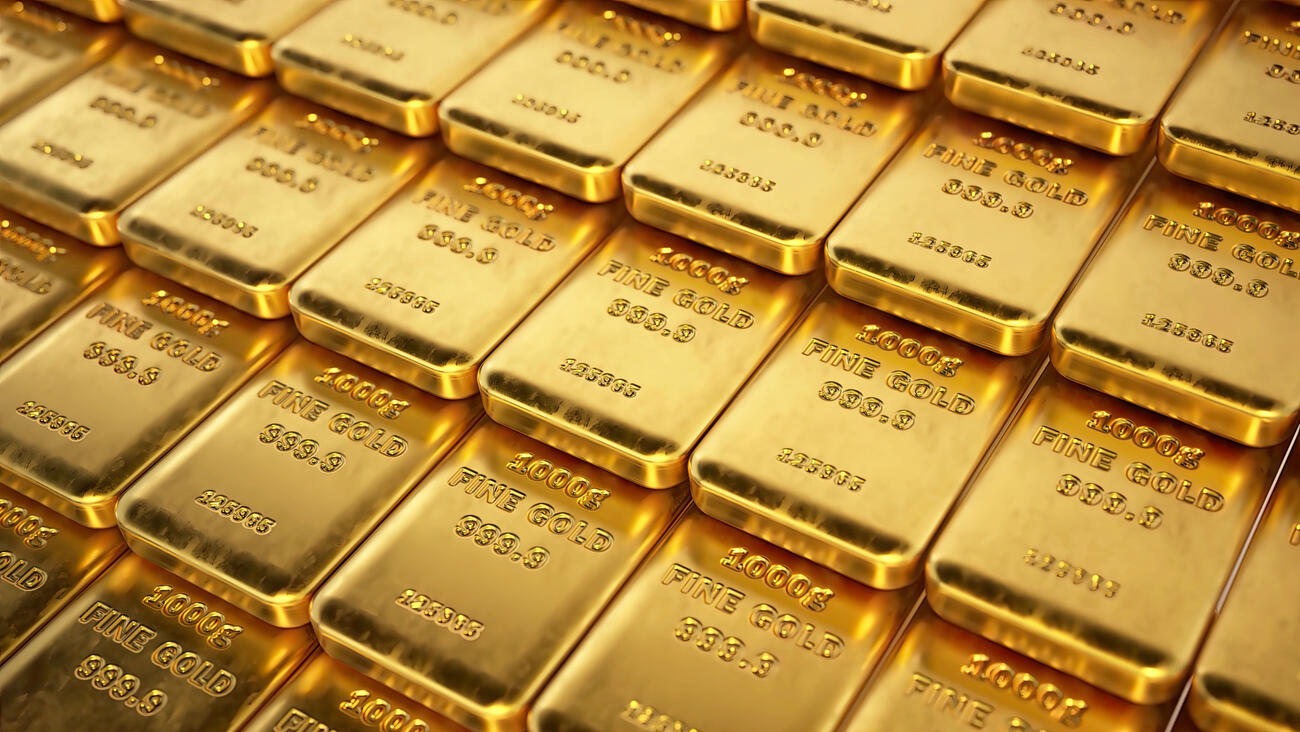
In 2024 and 2025 we saw a sharp rise in the price of gold. At end 2023, it was around $2,000 an ounce. In early 2026 and for the first time ever, it passed $5,000 an ounce. An uptrend of this magnitude is pretty rare. This price was due to demand from three sources. First physical, meaning demand from jewelers, businesses and households, which historically remains broadly stable. Then financial, Investors buy gold primarily through financial instruments called ETFs. These ETFs track the price of gold, which fluctuâtes according to market conditions. Thirdly, demand from central banks which has skyrocketed.
Has financial demand fueled this upward movement?
Not really. Financial demand is, by nature, prone to fluctuations. It's closely linked to interest rates. A gold bar sitting in a vault doesn't generate income. Unlike stock or bonds, it doesn't pay coupons or dividends. When interest rates rise, financial demand for gold declines because investors turn to bonds instead, which offer more attractive yields. The real gamechanger has been demand from central banks, which is a recent phenomenon. The war in Ukraine marked a tuming point. Russian assets were frozen, making central banks in emerging economies more aware that there was a real risk their reserve assets and currency holdings could also be frozen. As a result, they chose to diversify away from the US dollar and gold was an alternative consistent with this strategy ofde-dollarization.
How do you explain the current price correction?
Gold remains a fairly volatile asset. Price has fallen to around $4,000 an ounce. Tensions in the Middle East have triggered a drop in the financial markets. Emerging currencies have suffered, prompting central banks in these emerging économies to sell part of their gold reserves, leading to a fall in price.
Why is gold such an attractive investment?
Gold is a very liquid asset. It can be sold instantly, can be transmitted anywhere in the world, and is considered a safe international asset. It's hard to freeze gold, especially physical gold which is independent of the global financial system.Also, gold is not dependent on the global economic cycle, unlike other metals such as copper or silver which are more dependent on industrial demand. Gold is typically what we call a safe haven, meaning an asset that has retained its value over centuries and will continue to hold value. For our part, we remain positive on gold. We've even taken advantage of the current pullback to strengthen our holdings in certain portfolios. We believe the drop in gold price is temporary and that the underlying factors supporting gold, particularly from central banks, will work in its favor. Especially as concerns over de-dollarization, driven by the unpredictable nature of US policy and the widening US deficit, could return to the fore.