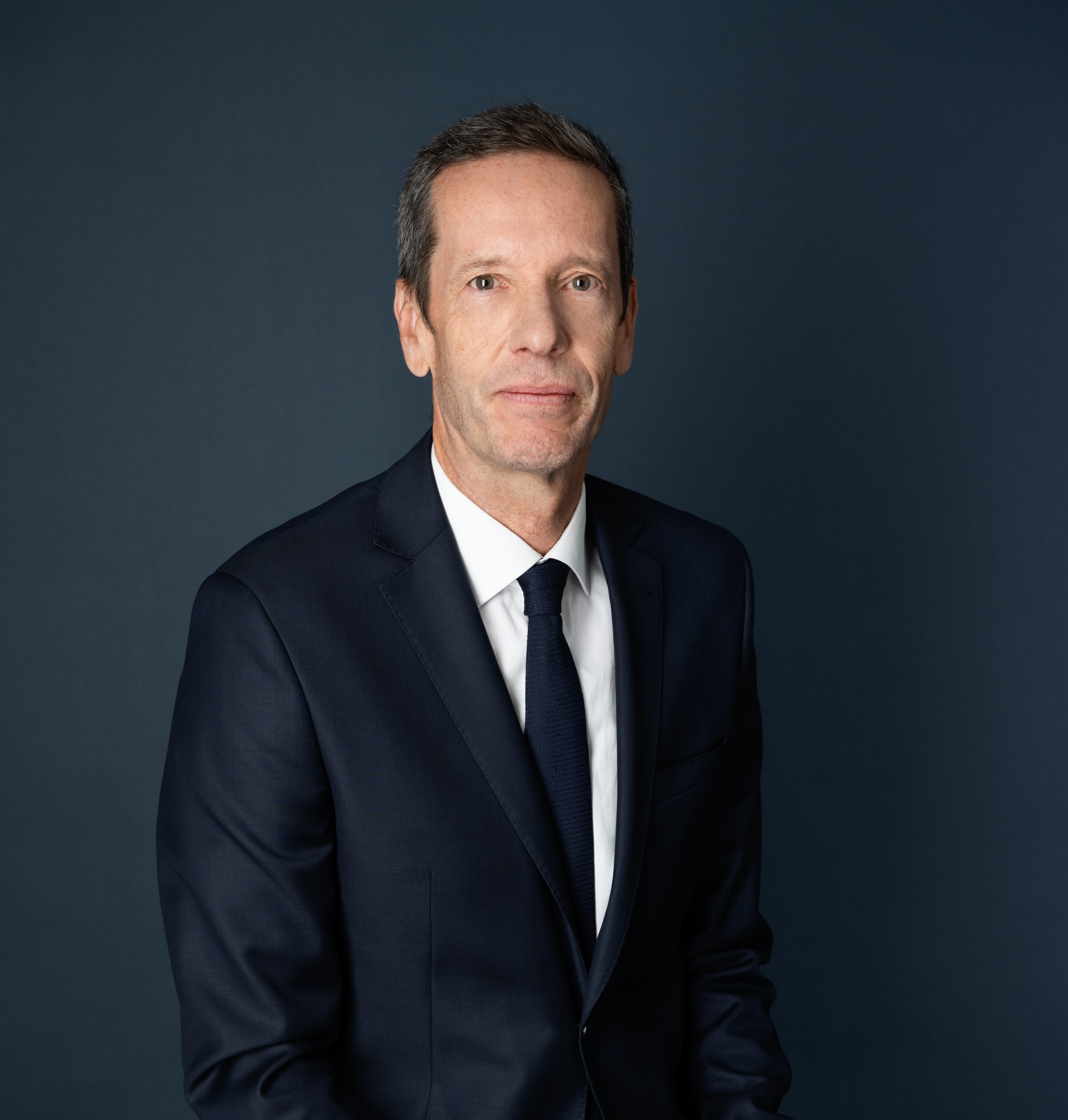

This week’s Senate hearing for Fed Chair nominee Kevin Warsh gives me the opportunity to talk about U.S. monetary policy.
Kevin Warsh enters a tricky arena: jobless growth, energy-driven inflation shock, record public debt and strongly divided politics.
Who is Kevin Warsh ?
Mr Warsh was the youngest Fed governor in history, serving during the 2008 crisis. He brings a unique mix of Washington networking and Wall Street experience, having spent 15 years working with Wall Street legend Stan Druckenmiller. He aligns with President Trump’s view of American economic exceptionalism, and he believes the Fed’s role is to stay out of the way and let the economy boom.
What does he have in mind?
On the FED Funds rates
- Warsh believes AI will "make everything cost less," acting as a massive deflationary force.
- He’s critical of the Fed’s current rate setting and data analyzing process that bring them too often to be "too late." Quoting Jeff Bezos in an interview in December last year, he argues that when hard data and anecdotes clash at a turning point, you have to listen to the anecdote. Even if it might probably be just a way to show that he sees differently, if you add to this his intentions of stopping the forward guidance, we’re far from textbook monetary policy and common practices.
In other words, AI will be deflationary, even if the data you look at won’t show it , this should provide room for the FOMC to cut rates back to neutral from the current restrictive level.
On the FED Balance sheet
While he’s "dovish" on rates, he’s a "hawk" on the balance sheet. He wants to shrink the Fed’s nearly $7 trillion footprint, which he blames for fueling inequality among other things. Just like treasury Secretary Bessent and Governor Miran
To compensate for FEDs reduction in holdings, the plan likely involves easing banking regulations so commercial banks can step in and buy them.
Is Mr Warsh a "sock puppet" for the President as Senator Warren labelled him in the senate hearing? Not necessarily. He might simply share a vision where AI really allows for lower rates which enables him to give room to the real economy to grow. The FED reaction function might end up being slightly more on the dovish side, He faces a steep climb though. First, the odds of Kevin Warsh being confirmed as Fed Chair by May 15th are below 30% today. Second, when and if he’s sworn in, he must bridge a massive gap to convince his fellow FOMC members to follow his "unorthodox" lead.
Portfolio Strategy: What do we do?
The fears of loss of independence at the FED have materially decreased, we sympathize with that view.
Still, we believe AI-led deflation and the bottom part of the economy struggling, think credit card or autoloans delincuencies, will eventually force the Fed’s hand and look though the energy shock toward neutral levels.
Also, the fiscal and structural concerns in the US are still here and even maybe worse than before the war in Iran. Larger deficits and deteriorated relationship with the international lenders with increasing problems on their own,
For those reasons :
- We still don’t like long sovereign bonds, the risk seems asymmetric with lower portfolio benefits
- We are still cautious on the USD, if anything the risks of further gradual dedolarization increased.
- We still like gold as a substitute